Top 5 Lehi, UT Neighborhoods for Concrete Patio Upgrades
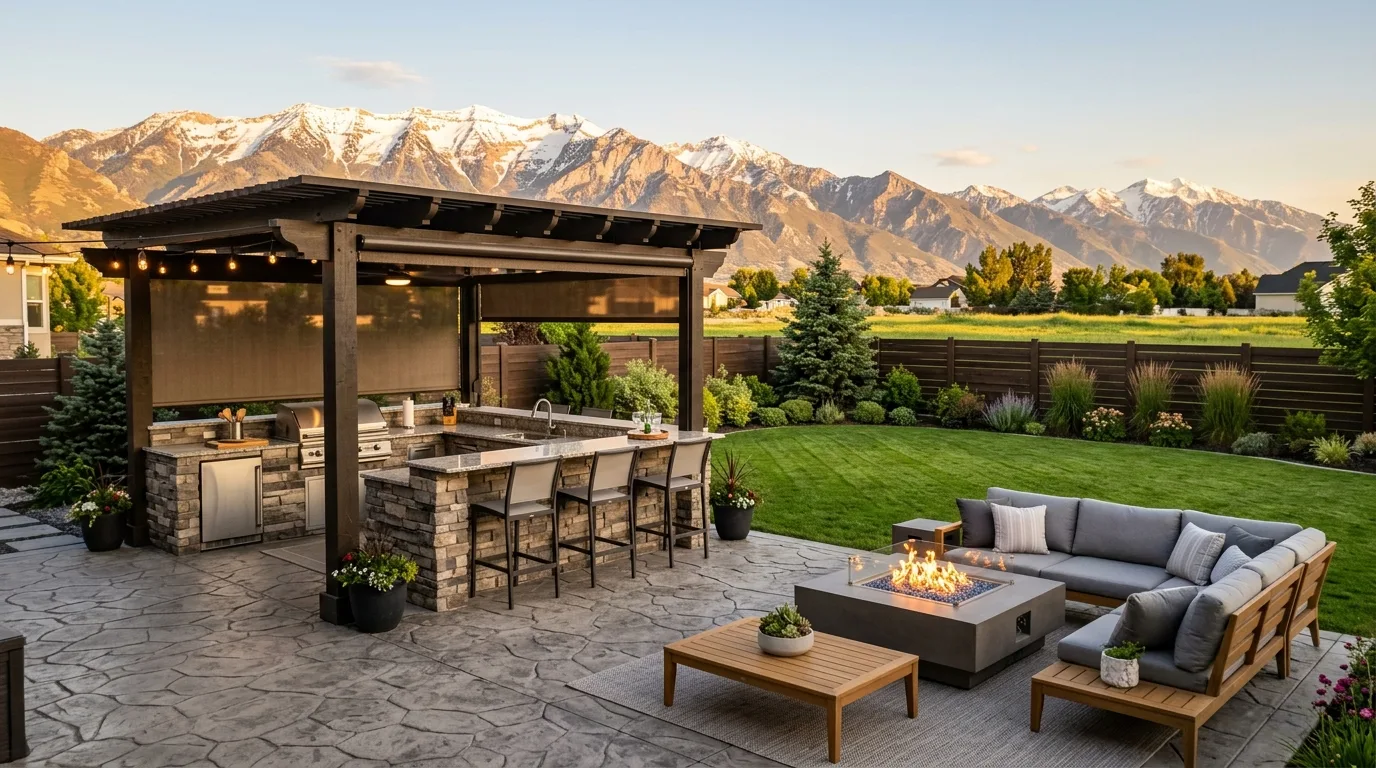
Lehi’s neighborhoods are growing faster than almost any other city in Utah — and as Silicon Slopes professionals settle into their Lehi homes, patio and outdoor living upgrades have become one of the most requested concrete projects in the area. This post profiles the 5 Lehi neighborhoods where concrete patio work is most active and explains what’s driving demand in each area.
In this post, we cover the 5 most active Lehi neighborhoods for concrete upgrades, what project types are most common in each area, how local lot configurations affect project scope and cost, and which soil conditions to know before pouring in each zone.
Get a Concrete Patio Estimate for Your Lehi Neighborhood
Lehi Concrete Pros — free estimates throughout Lehi and Utah County. Call (888) 376-0955.
Why Concrete Upgrades Are Surging in Lehi Right Now
Lehi’s population has grown dramatically over the past decade, and a large share of that growth consists of Silicon Slopes tech workers in their 30s and 40s who are buying homes and investing in their properties. Many of these homes are 5–15 years old — old enough that original concrete work sometimes needs replacement, and new enough that the owners are ready to invest in outdoor living enhancements that weren’t part of the original build.
Utah County’s 228 sunny days per year also supports outdoor living demand that would be unusual for a cold-winter city. Lehi homeowners get significant seasonal use from well-designed outdoor spaces, which makes patio and walkway upgrades a genuinely high-value home improvement here.
Neighborhood 1: Traverse Mountain
Traverse Mountain is Lehi’s most affluent neighborhood — a hillside residential area with newer construction, larger lots, and panoramic views toward the Wasatch Front. The larger lot sizes common in Traverse Mountain mean concrete patios and walkways tend to be larger projects than the city average. Long curved walkways from detached garages to back entries, large backyard entertainment pads, and extended driveway runs are all common requests here.
The soil conditions in Traverse Mountain’s elevated terrain differ slightly from the valley floor areas — drainage typically moves naturally away from most building pads, which reduces the clay soil heave issues common at lower elevations. That said, proper subgrade preparation remains essential. Most concrete work in Traverse Mountain falls in the mid to premium price range due to project size and the aesthetic standards of the area. Stamped concrete and exposed aggregate are the most popular finishes in this neighborhood.
Neighborhood 2: Thanksgiving
The Thanksgiving neighborhood surrounds and extends from Thanksgiving Point — one of Utah County’s most recognizable landmarks. Properties here benefit from easy I-15 access and proximity to Thanksgiving Point’s Ashton Gardens and Mountain America Expo Center. The neighborhood draws both growing families and established professionals.
Thanksgiving’s clay soil content is higher than in Traverse Mountain’s rocky terrain, and this area sees more concrete maintenance calls than hillside neighborhoods. Clay expansion under patios and driveways is a documented pattern here, which is why base preparation quality is especially important for any new concrete poured in the Thanksgiving area. Homeowners near Thanksgiving Point who are upgrading older concrete commonly discover that their original slabs were poured over inadequate base preparation — the tell-tale sign is differential settlement across patio sections.
Is Your Thanksgiving Area Patio Due for an Upgrade?
Lehi Concrete Pros serves the Thanksgiving neighborhood. Free estimates — call (888) 376-0955.
Neighborhood 3: Traverse Mountain / Silicon Slopes Corridor
The residential neighborhoods adjacent to the Silicon Slopes tech corridor along I-15 represent a distinct market segment: newer construction homes occupied by tech industry professionals who prioritize both aesthetics and value. This area sees the highest concentration of stamped and decorative concrete requests in Lehi — homeowners who appreciate design quality and are willing to invest in premium finishes.
Project types in this corridor lean toward complete outdoor living setups: a stamped patio adjacent to the home’s main living area, connected by a matching stamped walkway to a detached structure or side gate. The lot configurations vary widely because different subdivision developers used different site plans, so every project requires a site visit to understand the specific grade, drainage, and access conditions.
Neighborhood 4: River Point and Aspen
River Point is one of Lehi’s master-planned communities, with a mix of single-family homes and townhomes that attract a broad range of homeowners. The Aspen neighborhood nearby features established homes on slightly larger lots. Both areas show a different concrete need profile than newer premium neighborhoods: more maintenance and repair work, along with replacement projects on original concrete that has reached end of service life.
In Aspen particularly, homes are old enough that original driveways and patios from the mid-2000s or earlier are now showing significant wear. The soil conditions in this area include substantial clay content — and many original driveways were installed with the minimal base prep that was standard in that era. Replacement projects in Aspen frequently reveal undersized bases and no rebar reinforcement, which explains the cracking and settlement homeowners are experiencing.
Neighborhood 5: Dry Creek
Dry Creek is a neighborhood built around Dry Creek Park, with a mix of new and established homes. It’s one of Lehi’s more accessible neighborhoods for homeowners looking to add outdoor living space without the premium cost structure of Traverse Mountain or the Silicon Slopes corridor. Concrete patio additions and walkway upgrades are common projects here, often on modest-sized backyard spaces.
The Dry Creek area sits over some of Lehi’s more uniform soil conditions — still clay-heavy as is typical of Utah County, but without the extreme variation seen in some hillside areas. Drainage design is the most important consideration for patios in this neighborhood, as the relatively flat terrain requires careful slope design to direct water away from home foundations.
Frequently Asked Questions
Which Lehi neighborhood sees the most stamped concrete projects?
Traverse Mountain and the Silicon Slopes residential corridor see the highest concentration of stamped concrete requests, driven by the premium aesthetic expectations of residents and the larger lot sizes that support larger decorative patio projects.
How do I know if my neighborhood’s clay soil affects my patio project?
If you’re in the Thanksgiving, River Point, or Aspen neighborhoods, clay soil conditions are most significant and sub-base preparation quality is most critical. Ask your contractor about sub-base depth, compaction spec, and drainage design before any pour. See our guide on why Lehi homes need rebar in concrete for a full explanation of soil-related reinforcement requirements.
Are there HOA requirements for concrete in Lehi neighborhoods?
Many Lehi HOAs have aesthetic requirements for visible concrete finishes (color, pattern type) and may require ARB approval before installation. Check with your specific HOA before finalizing your project design. We provide material specifications and color samples to support ARB submissions when needed.
Related:
- Concrete Contractors Near Thanksgiving Point: Serving Silicon Slopes
- Stamped Concrete Patio Cost in Lehi: Complete 2026 Guide
- Service Areas — Saratoga Springs Concrete Services
Serving Every Lehi Neighborhood with Premium Concrete Work
Call Lehi Concrete Pros at (888) 376-0955 for a free estimate. We know every area of Lehi and Utah County.